
Call us now :08045477715
 Send Inquiry
 Send Inquiry
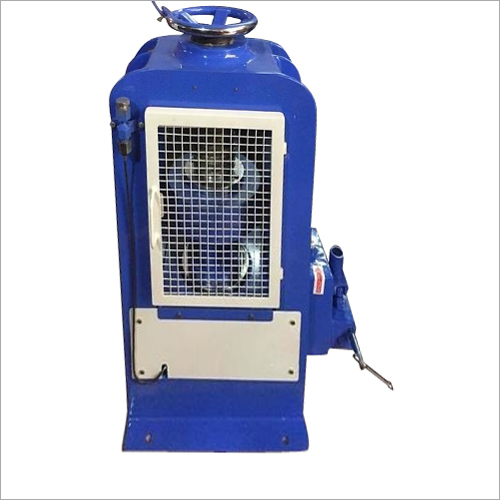
Cube Testing Machine
MOQ : 1 Piece
Cube Testing Machine Specification
- Humidity
- Up to 90% RH
- Features
- Heavy Duty, Corrosion Resistant, Precise Measurement
- Number of Specimens
- 1 at a time
- Hardness
- Industrial Grade
- Port Size
- Standard 15 mm
- Equipment Type
- Electric Compression Testing Machine
- Usage
- Industrial
- Application
- Strength Testing of Concrete Cubes and Cylinders
- Measuring Range
- 0 - 2000 kN
- Resolution
- 0.1 kN
- Display Type
- Analog / Digital
- Operating Voltage
- 230 V AC
- Frequency
- 50 Hz
- Test Range
- 0 - 2000 kN
- Accuracy
- 1% of indicated load
- Power Supply
- 230 V, 50 Hz, Single Phase
- Specimen Size
- 150 mm x 150 mm x 150 mm
- Interface Type
- Display Readout
- Mounting Type
- Floor Mounted
- Max Height
- 250 mm
- Response Time
- <3 Seconds
- Temperature
- Ambient to 60C
- Automation Grade
- Manual
- Capacity
- 2000 kN
- Machine Weight
- Approx 290 kg
- Test Speed
- 1.25 mm/min
- Test Width
- 150 mm
- Test Stroke
- 150 mm
- Control Mode
- Manual
- Platen Surface
- Hardened Ground Steel
- Safety Lock System
- Provided for operator safety
- Oil Filling
- Hydraulic Oil, SAE-15
- Cylinder Travel
- 50 mm
- Frame Construction
- Rigid steel frame with powder-coated finish
- Pump Type
- Hand operated or motorized
- Maximum Ram Stroke
- 50 mm
- Compliance Standard
- IS: 516, IS: 14858, ASTM C39
- Hydraulic Pressure Gauge
- Calibrated and easy to read
Cube Testing Machine Trade Information
- Minimum Order Quantity
- 1 Piece
- Payment Terms
- Cash Against Delivery (CAD), Cash on Delivery (COD), Cash in Advance (CID), Cheque, Cash Advance (CA)
- Supply Ability
- 50 Pieces Per Month
- Delivery Time
- 1 Week
- Sample Available
- Yes
- Sample Policy
- Contact us for information regarding our sample policy
- Packaging Details
- Wooden Boxes
- Main Domestic Market
- All India
About Cube Testing Machine
We have been able to attain strong market goodwill as a trusted organization engaged in manufacturing and supplying Cube Testing Equipments. These equipments are hand operated, provided with an air release valve and pressure gauge. We use optimum quality mild steel and cast iron to manufacture these machines at our sound production unit. Clients can avail these machines from us in different technical specification as per their requirements. We offer these Digital Cube Testing Machine at pocket friendly prices.
Features:
- Longer working life
- Easy to operate
- Rugged construction
Superior Frame Construction for Durability
Manufactured with a rigid steel frame and finished with a protective powder coat, the Cube Testing Machine offers exceptional durability and longevity, even in challenging industrial environments. Its robust design minimizes deformation during testing, ensuring accurate and repeatable results. The inclusion of a hardened ground steel platen further enhances reliability, allowing the equipment to maintain calibration and precision over extended use.
Precise and Consistent Strength Testing
Engineered for excellent accuracy, this compression testing machine meets stringent IS and ASTM standards. The calibrated hydraulic pressure gauge, coupled with a 1% load accuracy and 0.1 kN measurement resolution, guarantees repeatable and trustworthy results. The hand-operated or motorized hydraulic system, along with a test speed of 1.25 mm/min, allows fine control during critical strength determinations of concrete cubes and cylinders.
Enhanced Operator Safety and Usability
Designed with user safety as a priority, this machine features a robust safety lock system and easy-to-read display options-either analog or digital. Its manual control mode ensures tactile feedback and operational control. Requiring only a standard 230V power supply and accepting a wide humidity and temperature range, the device can be reliably used in laboratories or harsh on-site conditions alike.
FAQ's of Cube Testing Machine:
Q: How does the Cube Testing Machine ensure accurate measurement of concrete strength?
A: The machine achieves precise strength readings using a calibrated hydraulic pressure gauge and a hardened ground steel platen. Its measurement system is engineered to an accuracy of 1% of the indicated load, with a display resolution of 0.1 kN, adhering to IS: 516, IS: 14858, and ASTM C39 standards.Q: What is the process for testing a concrete cube using this machine?
A: Place a 150 mm cube specimen between the hardened platens, secure the safety lock, then apply load using manual or motorized hydraulic controls. The machine compresses the specimen at a controlled speed, and the peak value-displayed via analog or digital readout-indicates the cube's compressive strength.Q: Where can the Cube Testing Machine be effectively utilized?
A: This machine is suitable for use in industrial concrete laboratories, quality control labs, and on-site construction environments. Its robust construction and broad operational range make it reliable for testing both laboratory-cast and field-collected specimens.Q: When should this machine be used during a construction project?
A: Utilize the Cube Testing Machine after concrete has sufficiently cured-typically 7, 14, or 28 days post-casting-to determine whether the material meets specified strength requirements before proceeding to the next construction phase.Q: What types and sizes of specimens are supported by this machine?
A: The machine is designed for single-test operation with specimens measuring 150 mm x 150 mm x 150 mm, making it ideal for standard cube and cylinder strength tests in compliance with major standards.Q: How does the safety lock system benefit operators?
A: The integrated safety lock ensures that the testing area remains securely closed during operation, protecting users from accidental ejection of fragments and minimizing risks associated with high-pressure testing environments.Q: What are the key benefits of using this Cube Testing Machine in industrial applications?
A: Key benefits include reliable and accurate strength assessments, robust and corrosion-resistant construction for long service life, straightforward manual operation, and compliance with national and international standards. Its user-friendly design and versatile performance streamline quality control and ensure structural safety.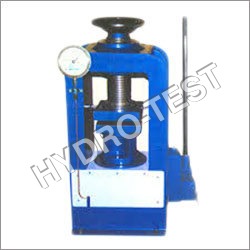
Tell us about your requirement

Price:
Quantity
Select Unit
- 50
- 100
- 200
- 250
- 500
- 1000+
Additional detail
Mobile number
Email

More Products in Cube Testing Machine Category
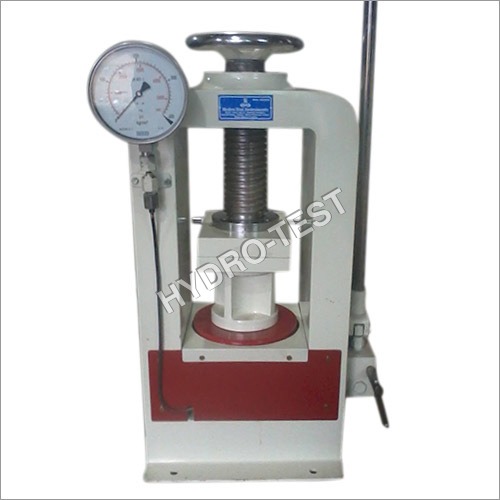
Hydraulic Cube Testing Machine
Price Range 25000.00 - 250000.00 INR / Piece
Minimum Order Quantity : 1 Piece
Application : Compression strength testing of concrete cubes and cylinders
Usage : Industrial
Control Mode : Hydraulic Manual
Power Supply : 230 V AC, 50 Hz
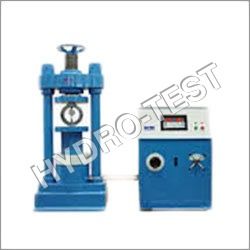
Civil Engineering Testing Machine
Price Range 25000.00 - 250000.00 INR / Piece
Minimum Order Quantity : 1 Piece
Application : Material Strength Testing (Concrete, Soil, Asphalt, Steel, etc.)
Usage : Industrial
Control Mode : Automatic/Manual
Power Supply : 220V AC, 50Hz
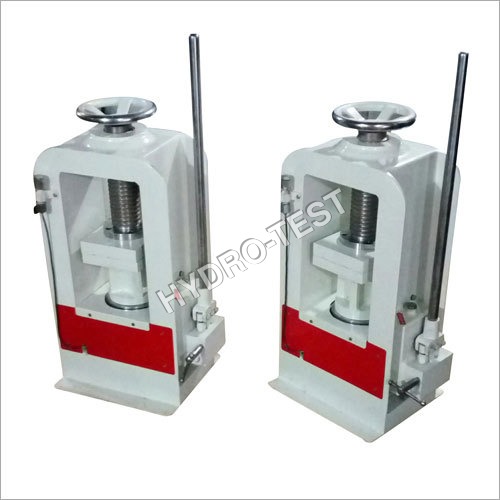
Manual Cube Testing Machine
Price Range 25000.00 - 250000.00 INR / Piece
Minimum Order Quantity : 1 Piece
Application : Concrete Cube/Block Compression Strength Testing
Usage : Industrial
Control Mode : Manual (Hand Operated)
Power Supply : Not Required (Manual)
Cube Compression Testing Machine
Price Range 25000.00 - 250000.00 INR / Piece
Minimum Order Quantity : 1 Piece
Application : Testing & Measurement
Usage : Industrial
Control Mode : Manual
Power Supply : AC

 Send Inquiry
Our Products


plot No. M-28, Street No.8, Anand Parbat Industrial Area, New Rohtak Road, New Delhi - 110005, India

Mr. SONU SHARMA
(Proprietor)
Mobile :08045477715
 Send Inquiry
 Send SMS
 Call Me Free
Developed and Managed by Infocom Network Private Limited.


