
Call us now :08045477715
 Send Inquiry
 Send Inquiry
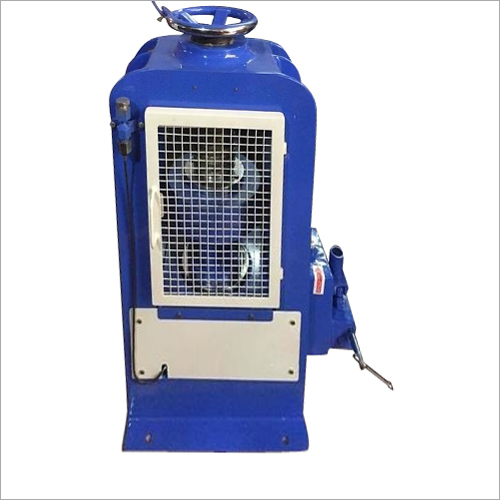
Civil Engineering Testing Machine
MOQ : 1 Piece
Civil Engineering Testing Machine Specification
- Interface Type
- USB/RS232
- Automation Grade
- Automatic
- Port Size
- Standard/Customizable
- Temperature
- 10C - 40C
- Features
- Overload Protection, Programmable Test Profiles, Data Logging
- Resolution
- 0.01 mm
- Mounting Type
- Floor Mounted
- Power Supply
- 220V AC, 50Hz
- Gas Pressure
- 0.5 - 0.7 MPa
- Equipment Type
- Civil Engineering Testing Machine
- Measuring Range
- 0 - 1000 mm
- Hardness
- Machine Components Hardened to 60 HRC
- Operating Voltage
- 220-240V, 50Hz
- Test Range
- 0 - 200 kN
- Display Type
- Digital LCD Display
- Humidity
- 20% - 90% RH, non-condensing
- Specimen Size
- Customizable, up to 150 x 500 mm
- Usage
- Industrial
- Response Time
- <2 seconds
- Accuracy
- 1%
- Application
- Material Strength Testing (Concrete, Soil, Asphalt, Steel, etc.)
- Number of Specimens
- 1
- Max Height
- 1700 mm
- Frequency
- 50 Hz
- Capacity
- 100 kN to 2000 kN (as per requirement)
- Machine Weight
- Approx. 350 kg
- Test Speed
- 50 - 500 mm/min
- Test Width
- 150 mm
- Test Stroke
- Max 500 mm
- Control Mode
- Automatic/Manual
- Software Compatibility
- Windows-based Control Software
- Data Output
- Printable Test Report, Exportable via USB
- Supported Test Types
- Compression, Flexure, Tensile, Shear Tests
- Environment
- Indoor Use Only
- Load Sensor Type
- High Precision Load Cell
- Frame Construction
- Heavy Duty Welded Steel Frame
- Graphical Analysis
- Real-time Load vs. Displacement Curve
- Color
- Industrial Blue/Grey
- Crosshead Travel
- 500 mm (Adjustable)
- Safety Features
- Emergency Stop, Overload Alarm
- Test Standards
- Complies with IS, ASTM, BS, EN Standards
Civil Engineering Testing Machine Trade Information
- Minimum Order Quantity
- 1 Piece
- Supply Ability
- 50 Pieces Per Month
- Delivery Time
- 1 Week
- Sample Available
- Yes
- Sample Policy
- Contact us for information regarding our sample policy
- Packaging Details
- Wooden boxes
- Main Domestic Market
- All India
Civil Engineering Testing Machine About
Civil Engineering Testing Machine
Owing to our rich knowledge as well as professional workforce, we have achieved a noted position as a reliable manufacturer and supplier of Civil Engineering Testing Machine. This machine is used in civil engineering works. To manufacture this machine, our expert workforce uses quality grade mild steel and cast iron. To provide the flawless range, we check this machine on construction and efficiency parameters. We can customize this Civil Engineering Testing Machine for clients in different technical specifications as per their requirements.
Features:
- Easy installation
- High working efficiency
- Maintenance free
Robust Frame and Precision Engineering
Built with a heavy-duty welded steel frame and machine components hardened up to 60 HRC, the tester offers exceptional durability for rigorous industrial applications. The advanced load sensor delivers highly accurate measurements (1% accuracy, 0.01 mm resolution), ensuring each test meets stringent quality benchmarks required for civil engineering evaluations.
Versatile Testing and Easy Operation
The machine accommodates a variety of test types-including compression, flexure, tensile, and shear-on different specimen materials and sizes, with a test capacity of 100 kN to 2000 kN. Its automatic/manual operation mode and digital LCD display simplify user experience, while programmable profiles and real-time graphical analysis provide flexibility and comprehensive insights for researchers and professionals.
Comprehensive Data Management and Safety
Integrated Windows-based software enables seamless control, data logging, and export. Reports are printable or exportable via USB, with interface options like RS232 for broad compatibility. Safety is prioritized with emergency stop and overload alarm features, ensuring risk-free operation during demanding tests.
FAQ's of Civil Engineering Testing Machine:
Q: How does the machine ensure accurate measurement during material testing?
A: The machine is equipped with a high-precision load cell, offering 1% accuracy and a resolution of 0.01 mm. This ensures reliable results for every test, whether measuring compression, flexure, tensile, or shear strength. Its digital LCD screen delivers real-time feedback and the Windows-based software provides graphical analysis for further verification.Q: What safety features are built into this testing machine?
A: This testing machine incorporates several safety mechanisms including an emergency stop button and overload alarm. These features help protect both the operator and the equipment during high-stress testing scenarios, ensuring a safe and controlled environment throughout each operation.Q: When is it recommended to use the machine's automatic test mode?
A: It's advisable to use automatic mode when you require consistent, repeatable test conditions or need to run programmable test profiles for material qualification. Manual mode can be utilized for custom or non-standard procedures that may demand expert oversight and adjustments during the test.Q: Where can this civil engineering testing machine be installed and used?
A: The machine is specifically designed for indoor use, ideally suited for laboratories, research institutes, universities, and industrial environments where civil engineering material testing is routinely performed. Its floor-mounted design and robust construction provide stability and safety during operation.Q: What is the process for exporting test data and reports?
A: After completing a test, the Windows-based software allows you to generate printable reports immediately. Additionally, test reports and raw data can be exported via USB interface or transferred through the RS232 connection, facilitating hassle-free sharing and archiving of results.Q: How does using this testing machine benefit civil engineering quality assurance?
A: By providing accurate, real-time analysis and compliance with international standards (IS, ASTM, BS, EN), the machine supports reliable material qualification and validation processes. Its robust features, such as automation and comprehensive data management, streamline workflows, reduce manual errors, and help maintain high construction quality standards.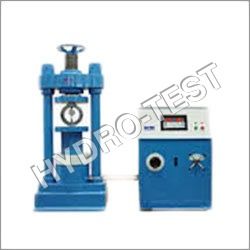
Tell us about your requirement

Price:
Quantity
Select Unit
- 50
- 100
- 200
- 250
- 500
- 1000+
Additional detail
Mobile number
Email

More Products in Cube Testing Machine Category
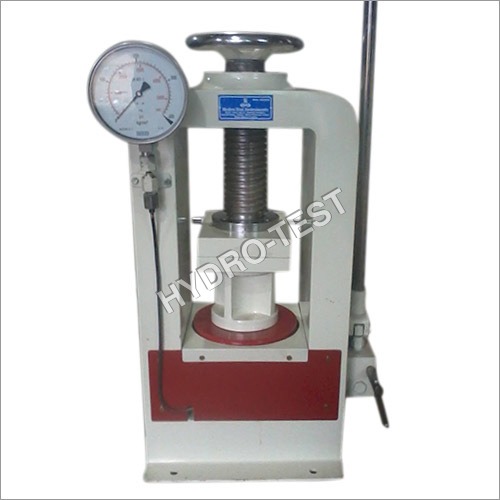
Hydraulic Cube Testing Machine
Price Range 25000.00 - 250000.00 INR / Piece
Minimum Order Quantity : 1 Piece
Power Supply : 230 V AC, 50 Hz
Control Mode : Hydraulic Manual
Usage : Industrial
Application : Compression strength testing of concrete cubes and cylinders
Cube Testing Machine
Price Range 25000.00 - 250000.00 INR / Piece
Minimum Order Quantity : 1 Piece
Power Supply : 230 V, 50 Hz, Single Phase
Control Mode : Manual
Usage : Industrial
Application : Strength Testing of Concrete Cubes and Cylinders
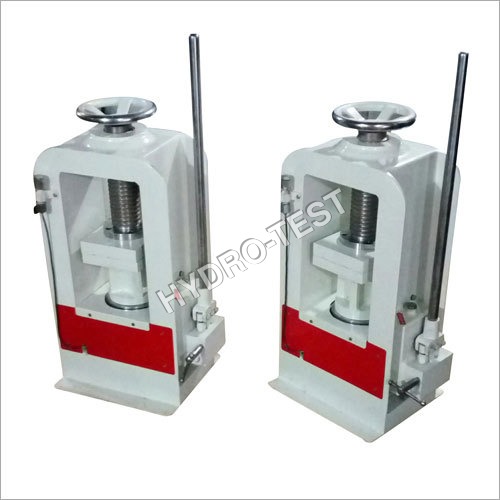
Manual Cube Testing Machine
Price Range 25000.00 - 250000.00 INR / Piece
Minimum Order Quantity : 1 Piece
Power Supply : Not Required (Manual)
Control Mode : Manual (Hand Operated)
Usage : Industrial
Application : Concrete Cube/Block Compression Strength Testing
Cube Compression Testing Machine
Price Range 25000.00 - 250000.00 INR / Piece
Minimum Order Quantity : 1 Piece
Power Supply : AC
Control Mode : Manual
Usage : Industrial
Application : Testing & Measurement

 Send Inquiry
Our Products


plot No. M-28, Street No.8, Anand Parbat Industrial Area, New Rohtak Road, New Delhi - 110005, India

Mr. SONU SHARMA
(Proprietor)
Mobile :08045477715
 Send Inquiry
 Send SMS
 Call Me Free
Developed and Managed by Infocom Network Private Limited.


