
Call us now :08045477715
 Send Inquiry
 Send Inquiry
Marshal Stability Apparatus
MOQ : 1 Piece
Marshal Stability Apparatus Specification
- Max Height
- Approx. 80 cm (machine height including dial and assembly)
- Interface Type
- Manual and Digital Interface
- Features
- Rigid construction, automatic cut-off, peak value hold, cross-head movement, portable specimen extraction accessories
- Hardness
- Standard for Mechanical Components
- Test Range
- Up to 50 kN (5000 kg)
- Automation Grade
- Semi-Automatic
- Accuracy
- 0.1% of indicated value
- Equipment Type
- Bituminous Testing Machine
- Temperature
- Ambient/Room Temperature-up to 60C (with optional chamber)
- Resolution
- 0.01 kN
- Display Type
- Digital Panel / Analog Dial (varies by model)
- Humidity
- Up to 90% RH (non-condensing)
- Usage
- Industrial
- Number of Specimens
- One at a time
- Mounting Type
- Bench Top
- Application
- Measurement of resistance to plastic flow of bituminous mixtures
- Response Time
- Instantaneous (Digital Display)
- Port Size
- Standard
- Frequency
- 50 Hz
- Operating Voltage
- 230 V AC, 50 Hz
- Measuring Range
- 0-50 kN
- Specimen Size
- Diameter 101.6 mm, Height 63.5 mm (4 x 2.5) as per ASTM D6927
- Power Supply
- 230 V AC, 50 Hz
- Capacity
- 50 kN (5000 kg)
- Machine Weight
- Approx. 70-85 kg (varies by model)
- Test Speed
- 50 mm/min (1.25 mm/s)
- Test Width
- Applicable to specimens up to 101.6 mm diameter
- Test Stroke
- 50 mm max
- Control Mode
- Manual and Digital Control
- Plunger Travel
- Up to 65 mm
- Proving Ring Capacity
- Up to 50 kN (with calibration certificate)
- Specimen Extraction Tool
- Supplied with apparatus for easy removal
- After-Sales Support
- Available from supplier
- Bracket Material
- Mild Steel/Corrosion-resistant steel
- Loading Frame Type
- Electro-mechanical with gear arrangement
- Included Accessories
- Stability mold, breaking head, cylindrical specimen molds, dial gauge, proving ring, heating bath (if applicable)
- Attached Water Bath
- Optionally available for heating specimens
- Deformation Measurement
- 0-25 mm (with 0.01 mm least count dial gauge)
Marshal Stability Apparatus Trade Information
- Minimum Order Quantity
- 1 Piece
- Supply Ability
- 50 Pieces Per Month
- Delivery Time
- 1 Week
- Main Domestic Market
- All India
Marshal Stability Apparatus About
Marshall Stability Test Apparatus is applicable to hot mix designs using bitumen and aggregates upto a maximum size of 25mm. In this method, the resistance to plastic deformation of cylindrical specimen of bitumenous mixture is measured when the same is loaded at periphery at 5 cm per min. This test procedure is used in designing and evaluating bitumenous paving mixes. The test procedure is extensively used in routine test programmes for paving jobs. There are two major features of the marshall method of designing mixes namely, a) density voids analysis b) Stability flow tests. The marshall stability of mix is defined as a maximum load carried by a compacted specimen at a standard test temperature of 60C. The flow value is deformation the marshall test specimen under goes during the loading upto the maximum load, 0.25 mm units. In this test and attempt is made to determine optimum binder content for the type of aggregate mix and traffic intensity.Accurate and Reliable Bitumen Testing
Marshal Stability Apparatus delivers high-precision results for measuring the resistance to plastic flow in bituminous mixtures. It is engineered with a durable steel frame, advanced digital/analog display, and controlled test speed, ensuring repeatable data for quality engineering, research, or industrial applications.
Comprehensive Features and Accessories
This equipment is supplied complete with a stability mold, breaking head, cylindrical specimen molds, dial gauge, calibrated proving ring, and portable extraction tool. The optional water bath allows for temperature-controlled specimen heating, making the unit versatile for varied testing requirements.
User-Friendly and Durable Design
The apparatus features a semi-automatic, electro-mechanical loading frame, ergonomic specimen extraction, and a compact bench-top structure. Its robust build, corrosion-resistant options, and digital/manual control interface provide seamless operation and reliability even under demanding laboratory conditions.
FAQ's of Marshal Stability Apparatus:
Q: How does the Marshal Stability Apparatus measure the resistance to plastic flow in bituminous mixtures?
A: The apparatus applies a controlled load to a bituminous specimen using an electro-mechanical loading frame and measures deformation with a sensitive dial gauge (0.01 mm least count) and a proving ring (up to 50 kN). The peak load and deformation at failure provide the Marshal stability and flow values, respectively.Q: What types of bitumen specimens can be tested with this machine, and what are the size requirements?
A: The apparatus tests cylindrical specimens with a diameter of 101.6 mm and height of 63.5 mm (as per ASTM D6927). Each test is performed on one specimen at a time, ensuring precise and focused results.Q: When should the optional water bath be used, and what is its benefit?
A: The optional water bath is recommended when testing needs to be conducted at elevated or controlled temperatures, typically up to 60C. This helps simulate real road conditions, ensuring accurate assessment of bituminous mix performance in various climates.Q: Where is the Marshal Stability Apparatus typically installed, and how is it powered?
A: This bench-top machine is commonly installed in materials testing laboratories, asphalt plants, or engineering facilities. It operates on a standard 230 V AC, 50 Hz power supply suitable for Indian and most international lab environments.Q: What process should be followed for conducting a test using this apparatus?
A: To conduct a test, prepare and mold the bituminous specimen. Place it between the breaking heads, apply load via the loading frame at 50 mm/min, and measure the deformation and load using the apparatus' digital/analog display and dial gauge. Extract the specimen using the included tool after the test concludes.Q: How does this apparatus benefit industrial and engineering applications?
A: With high accuracy (0.1%), robust construction, and rapid response time, the apparatus ensures reliable and repeatable results. Its standardized operation supports quality control, research, and product development for road construction and maintenance applications in industrial and engineering sectors.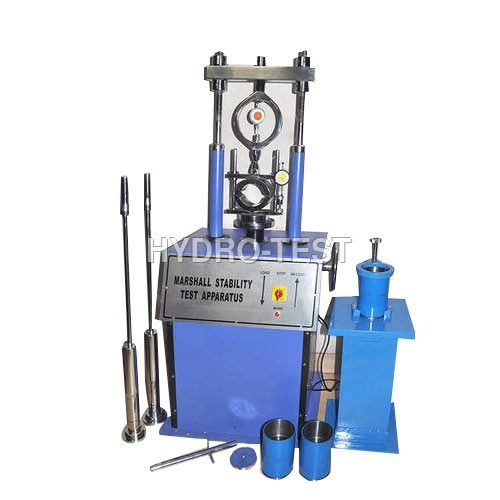
Tell us about your requirement

Price:
Quantity
Select Unit
- 50
- 100
- 200
- 250
- 500
- 1000+
Additional detail
Mobile number
Email


 Send Inquiry
Our Products


plot No. M-28, Street No.8, Anand Parbat Industrial Area, New Rohtak Road, New Delhi - 110005, India

Mr. SONU SHARMA
(Proprietor)
Mobile :08045477715
 Send Inquiry
 Send SMS
 Call Me Free
Developed and Managed by Infocom Network Private Limited.


